
Boulder summers are deceptively hard on a car. The days are long, the sun is intense, and at altitude your cooling system has less air to work with. Add a loaded roof rack, a trailer, and a long climb up to the high country, and the same vehicle that cruised through spring can run hot and tired by July. Here is the prep list we walk every customer through before the first big heat wave and the first mountain road trip.
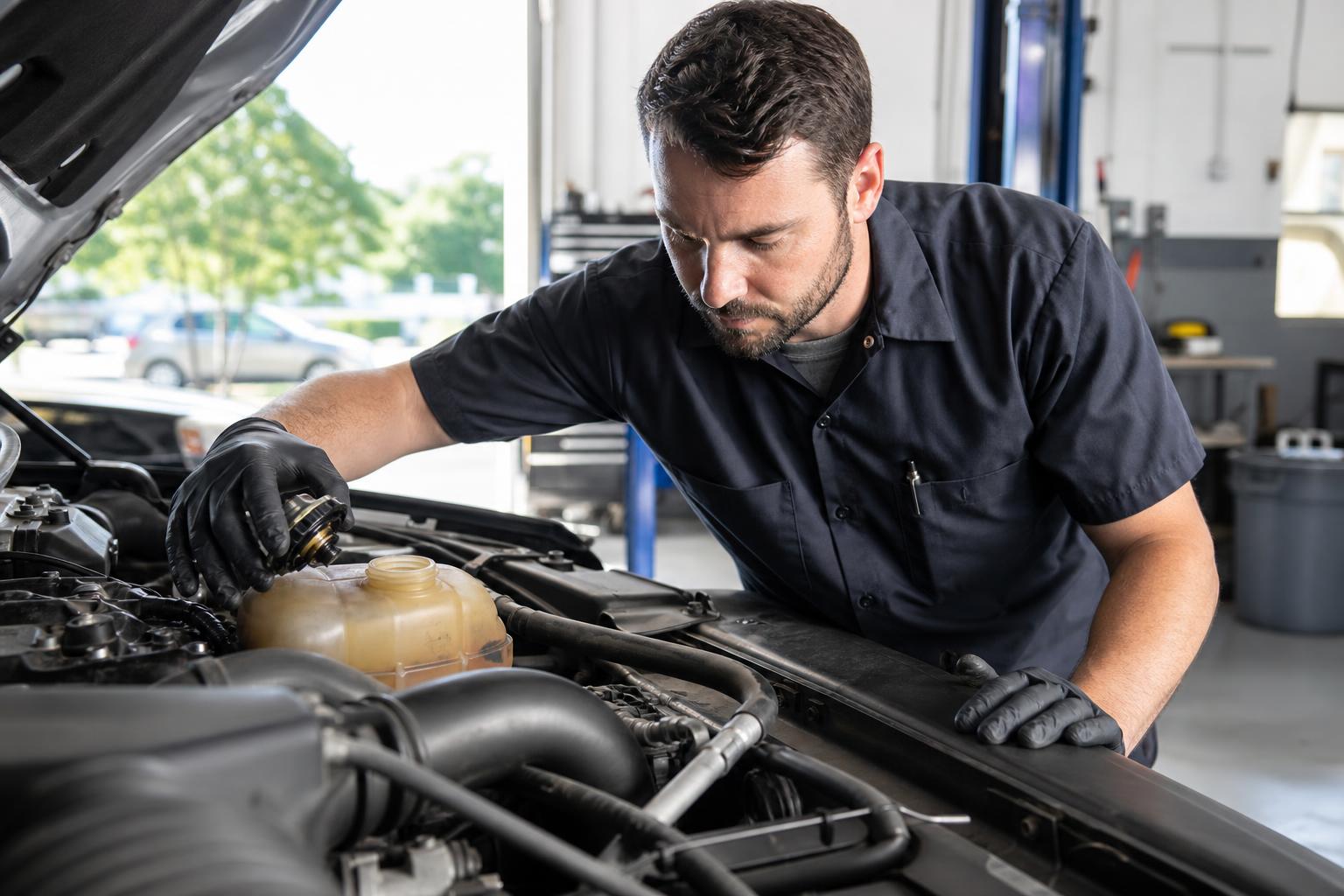
Cooling system first
In summer, the cooling system carries the load that tires carry in winter. Heat plus altitude plus a long grade is the exact recipe for an overheat. We check coolant strength and level, pressure-test the system for slow leaks, and inspect hoses and the water pump for the soft spots and weeping that show up before a roadside failure does. Old coolant loses its corrosion protection, so a flush on schedule (usually around every five years, check your owner's manual) is cheap insurance against a cracked radiator on the way to the trailhead.
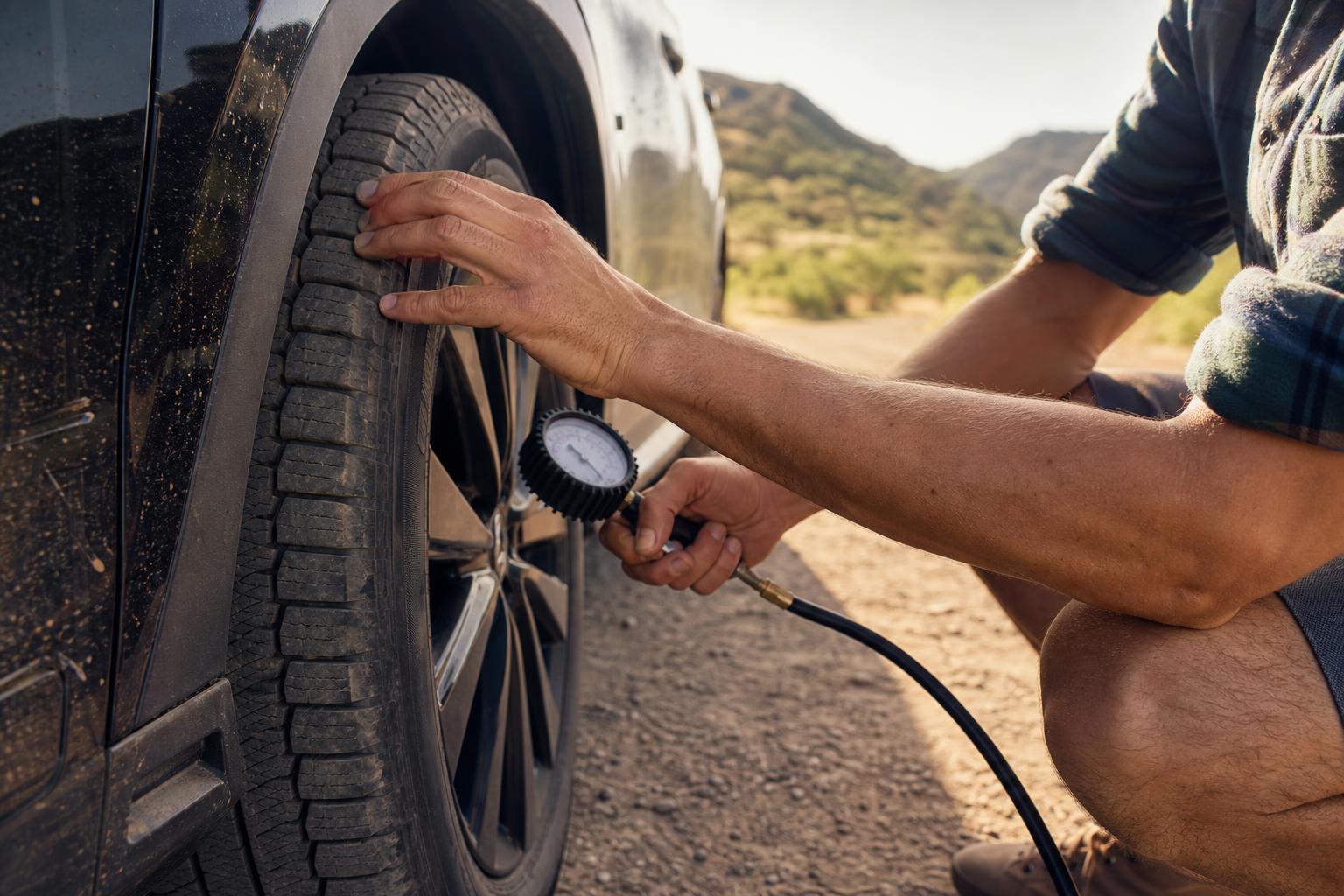
Tires, pressure, and heat
Heat raises tire pressure and accelerates wear, and underinflated tires build even more heat on the highway. Set pressures to the door-jamb spec when the tires are cold, not after a hot drive. Check tread depth and look for cracking on the sidewall, especially on tires that sat through a few Colorado winters. If you are heading onto dirt roads or up to the high passes, a tire in good shape is the difference between a great trip and a long wait on the shoulder.
Air conditioning
A weak A/C system on a 95-degree day is more than a comfort problem. It points to low refrigerant, which usually means a leak, and a leak only gets worse in heat. We check system performance, look for the signs of a leak, and service it before the first heat wave instead of during it, when every shop in town is booked.
Oil and fluids
Heat and load are hard on oil. If you tow, haul gear, or climb passes regularly, you are working the engine harder than the commute the maintenance schedule assumes. Make sure oil is fresh before a big trip, and have us top off and inspect brake fluid, transmission fluid, and power steering fluid. Wet brake fluid boils at a lower temperature, and a long mountain descent is exactly where you do not want soft brakes.
Brakes for the descent
Mountain driving punishes brakes on the way down more than the way up. We measure pad thickness, check rotor surface, and test brake fluid for moisture. If you are planning trips into the high country, this is the single check most worth doing before you go.
Wipers, washer fluid, and glass
Summer brings sudden afternoon storms and a windshield full of bugs and dust. Replace blades that streak, top off washer fluid, and clear any chips before they spread in the heat.
The summer emergency kit
- Plenty of drinking water for every passenger
- 12V tire inflator and a plug kit
- Jumper cables or a lithium jump pack
- Basic tools and a flashlight or headlamp
- Sunscreen, hats, and a small first-aid kit
- Snacks and a phone charger that works without the engine running
The altitude habit
On a long climb, watch the temperature gauge and back off if it starts to rise. Turning off the A/C and turning on the heater for a few minutes can pull heat off the engine in a pinch. Better yet, get the cooling system checked before you go so you never need the trick.
Legacy Automotive Team
Boulder's NAPA Gold Certified shop since 2013. Real techs, honest writing, no AI fluff.


