Where Should You Get Nissan Repair in Boulder?
Nissan owners in Boulder can use a qualified independent repair shop for most maintenance, diagnostics, and repairs. The right choice depends on the shop’s diagnostic process, technical resources, and familiarity with Nissan systems.
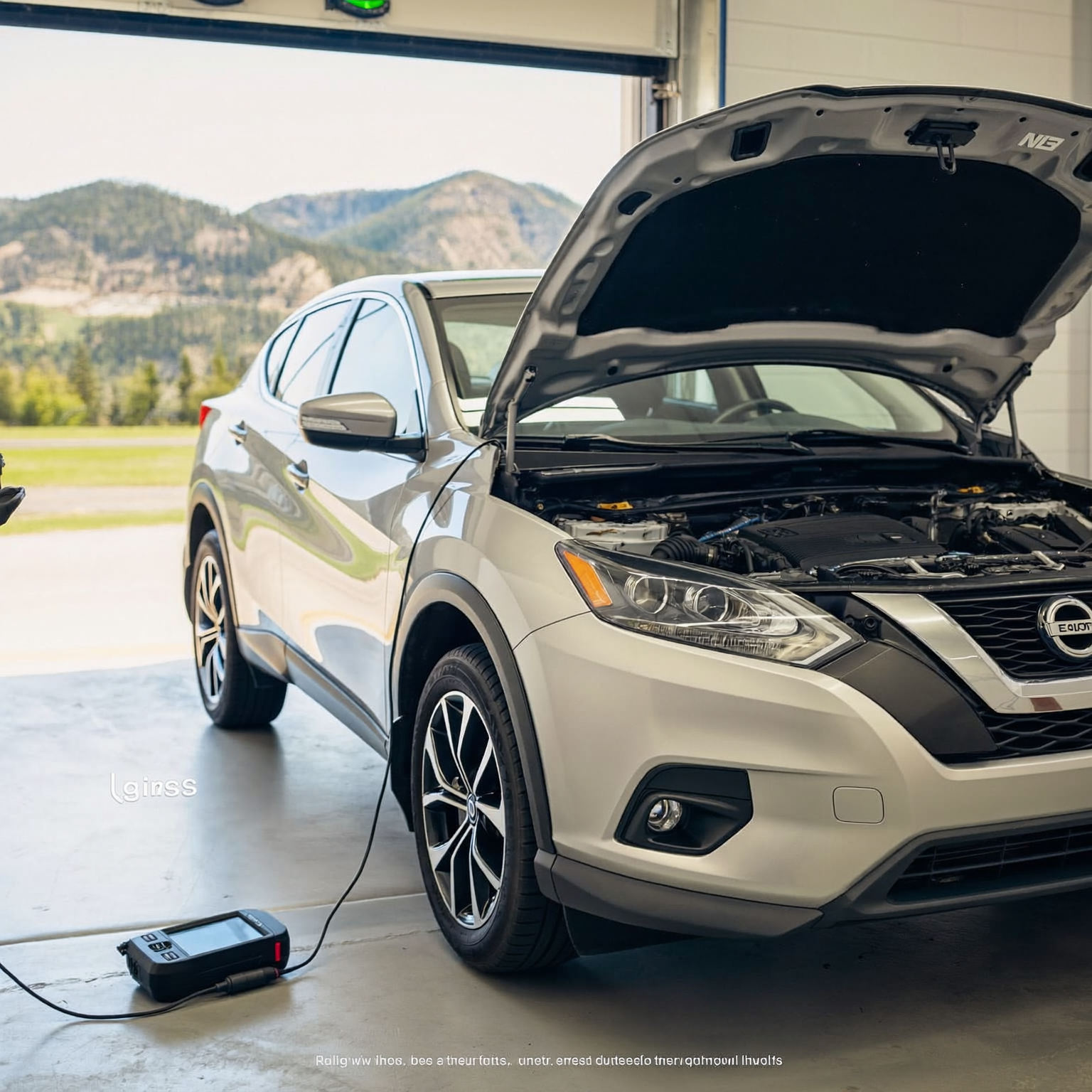
You should get Nissan repair in Boulder from a shop that can diagnose the vehicle accurately, follow Nissan service information, and explain which work is necessary. A qualified independent shop can handle most Nissan maintenance and repairs, while recall and factory-warranty work may still need to go through a dealer.
What should you look for in a Nissan repair shop?
A Nissan may share basic service needs with other vehicles, but good repair work requires more than general familiarity with engines and brakes. The shop needs appropriate scan tools, current repair information, disciplined testing procedures, and technicians who understand how Nissan’s powertrains and electronic systems interact. That matters whether the vehicle is a Rogue used for commuting, a Frontier driven into the foothills, an Altima with a warning light, or a LEAF that needs routine chassis and electrical service.
Can an independent shop service a Nissan?
Yes, an independent shop can perform most Nissan maintenance, diagnostic work, and mechanical repairs. That includes fluid services, brakes, suspension, steering, engine concerns, heating and air conditioning, starting and charging problems, and many transmission-related services. We recommend looking beyond whether a shop simply lists Nissan among the brands it accepts. Ask whether it uses model-specific service procedures, checks technical information before recommending work, and has a plan for confirming the repair afterward. A well-equipped general repair facility should also recognize when a job requires dealer-only action, specialized programming, or another outside resource rather than guessing its way through the problem.
Does a Nissan always need to return to the dealer?
No, but there are situations in which the dealer is the appropriate destination. Open safety recalls are completed through authorized dealers, and repairs covered by a factory warranty generally need to follow the manufacturer’s warranty process. Certain software campaigns, security-related functions, or restricted programming procedures may also require dealer involvement. For ordinary maintenance and out-of-warranty repair, Nissan owners can choose an independent Boulder mechanic. Maintenance performed outside the dealer does not automatically eliminate warranty coverage, but owners should keep clear records and make sure the correct fluids, parts specifications, and service procedures are used. Warranty terms can vary, so we advise checking the applicable documents when coverage is in question.
What records should the shop provide?
A useful repair record should identify the customer’s concern, the tests performed, the technician’s findings, and the work completed. For maintenance, it should document the fluid or part specification rather than relying on a vague description. These records help establish a service history, prevent repeated work, and give the next technician context if a symptom changes. They are especially helpful when a warning appears only in cold weather, during a climb, or after an extended US-36 commute. Before authorizing a repair, owners should also receive an explanation that separates confirmed faults from maintenance due by time, mileage, condition, or driving use.
How should a shop diagnose Nissan problems?
Accurate diagnosis begins with the actual symptom, not with the most commonly replaced part. We want to know when the issue occurs, what the driver feels or hears, whether warning lights appear, and what changed before the problem started. A scan report can provide direction, but a fault code is not a complete diagnosis. The code identifies a system or operating condition that needs to be tested.
Is a code scan enough to identify the repair?
Usually not. A check engine code might be associated with an electrical circuit, air leak, sensor reading, mechanical condition, wiring issue, or a problem elsewhere that causes the computer to see an unexpected result. Effective diagnosis can include visual inspection, data analysis, circuit testing, smoke testing, pressure measurements, and verification under the conditions that produce the symptom. This is why replacing a part named in a generic code description can waste time without fixing the vehicle. Our article about what a modern tune-up means also explains why current vehicles need condition-based testing rather than an old-fashioned package of assumed parts.
Should every dashboard warning be treated the same way?
No. A maintenance reminder is different from a system warning, and a steadily illuminated warning may call for a different response than a flashing light or a red warning accompanied by overheating, low oil pressure, braking trouble, or reduced control. Drivers should consult the owner’s manual and avoid continuing if the vehicle indicates a serious condition or behaves unsafely. Resetting a light without addressing its cause can hide useful information. For a closer explanation of scheduled prompts, see our guide to maintenance reminder lights. When the light represents a fault, the diagnostic path should include both stored information and direct testing of the affected system.
What if the Nissan problem happens only sometimes?
Intermittent problems are often diagnosable, but they require good information and a methodical approach. We ask drivers to note whether the symptom appears after a cold start, during a long idle, on a steep grade, after refueling, in wet conditions, or at a particular engine temperature. Freeze-frame data and system history may capture what the vehicle was doing when a fault set. Wiring inspections, voltage-drop tests, data logging, and carefully planned road tests can then narrow the possibilities. It is better to document the pattern and test strategically than to replace several plausible parts and hope the problem disappears.
What Nissan-specific service concerns deserve attention?
Nissan has used a wide range of engines, transmissions, all-wheel-drive systems, and electrical architectures. Recommendations should therefore be based on the exact model, powertrain, model year, maintenance history, and operating conditions. Advice that is correct for one Rogue, Pathfinder, Frontier, Sentra, or LEAF may not apply to another.
How should a shop approach Nissan CVT concerns?
A shop should first verify that the symptom is coming from the continuously variable transmission rather than the engine, mounts, wheel bearings, axles, brakes, or control system. Nissan has also sold vehicles with conventional automatic and manual transmissions, so the vehicle must be identified correctly before anyone discusses service. For a CVT-equipped model, diagnosis may involve fluid condition, leaks, scan data, operating temperature, control commands, noises, and driving behavior. Fluid selection and service procedure matter because a universal approach is not appropriate for every unit. Our transmission service and repair information explains how we evaluate drivability and transmission concerns before recommending a direction.
What maintenance does a Nissan need in Colorado?
The correct baseline is the schedule and specifications for the particular vehicle, adjusted for its use and inspected condition. Short trips, repeated cold starts, dusty roads, extended idling, towing, and mountain travel can place different demands on fluids, filters, brakes, cooling components, tires, and the battery. We review the service history rather than assuming everything is overdue. A comprehensive inspection can then distinguish immediate safety or reliability needs from work that can be monitored or planned. Owners comparing options for auto repair in Boulder can review our broader list of maintenance and repair services to see the systems an independent shop should be prepared to evaluate.
Can the same shop work on a Nissan LEAF?
It can if the facility has the training and procedures needed for electric vehicles. A LEAF does not need engine oil service, but it still has brakes, tires, suspension, steering, climate control, cooling-related components, a low-voltage electrical system, and high-voltage equipment. Regenerative braking can also change how conventional brake wear presents, making inspection important even when the friction brakes are used less often. Any work near high-voltage components requires proper identification, isolation procedures, and safety equipment. Owners should ask directly about EV capability rather than assuming every general repair shop is prepared to handle high-voltage systems.
How can you compare Nissan repair recommendations?
A sound recommendation should connect the symptom or inspection finding to a test result and a clear repair objective. We should be able to explain what failed, what evidence supports that conclusion, whether related items need attention, and how the completed work will be verified. Photos can help with visible wear or leakage, but they do not replace measurements and functional tests when those are needed.
When is a second opinion reasonable?
A second opinion is reasonable when the proposed work is extensive, the explanation is unclear, the symptom was not reproduced, or the recommendation relies only on a fault code. It is also reasonable when several unrelated services are presented as one urgent package without distinctions among safety concerns, active failures, and future maintenance. Bring previous invoices, scan results, and service history when possible. Another shop may need to repeat some tests because technicians must verify conditions themselves, but existing documentation can reduce uncertainty and help them understand what has already been attempted.
Should you choose a shop based only on the earliest appointment?
Availability matters when transportation is disrupted, but it should not be the only factor. An appointment is useful only if the shop has enough time, information, and capability to address the concern. Ask how the diagnostic process works, whether the shop will contact you before additional work, and whether it can explain priorities in plain language. For routine maintenance, scheduling ahead can make transportation planning easier. For a no-start, overheating event, major fluid leak, brake concern, or severe drivability problem, the first decision should be whether the vehicle is safe to drive at all.
Serving Nissan drivers in Boulder and the Front Range
Boulder driving combines city trips with conditions that can expose marginal components quickly. A Nissan commuting from Gunbarrel may spend much of its week on the Diagonal Highway, while a vehicle from South Boulder may regularly merge onto US-36 or climb toward foothills trailheads. Drivers coming from Longmont add longer highway cycles, crosswinds, and winter temperature changes to the pattern. Within Boulder, steep roads such as Flagstaff Road place sustained demands on cooling, braking, steering, and drivetrain systems that may feel normal during a short trip across town.
Altitude and rapid Front Range weather changes also influence how we interpret symptoms. A weak battery may become obvious after a cold night, a small cooling issue may appear during a summer climb, and worn suspension or tires can be more noticeable when snow and broken pavement reduce available grip. That does not mean every Nissan needs a special Colorado repair package. It means Nissan repair in Boulder should account for how the individual vehicle is actually driven, including canyon roads, foothills grades, winter exposure, and regular commuting.
Choosing the right next step
Start by describing the symptom precisely and gathering any available maintenance records. Then choose a shop that will test before replacing parts, use the correct Nissan specifications, explain priorities, and recognize when dealer involvement is appropriate. That approach applies whether the vehicle needs scheduled maintenance, a warning-light diagnosis, CVT evaluation, brake work, or investigation of an intermittent noise.
We believe good repair decisions come from evidence and communication. A vehicle-specific plan is more useful than a generic package, and a verified repair is more valuable than a quick guess.
Book the shop Boulder trusts.
Free loaner vehicles for qualifying repairs. Three-year, 36,000-mile NAPA warranty on every covered job.