Where Should Lafayette Drivers Service a Hybrid?
Lafayette hybrid drivers should choose a repair shop that can evaluate both the gasoline and high-voltage sides of the vehicle. Here is what qualified hybrid service should include.
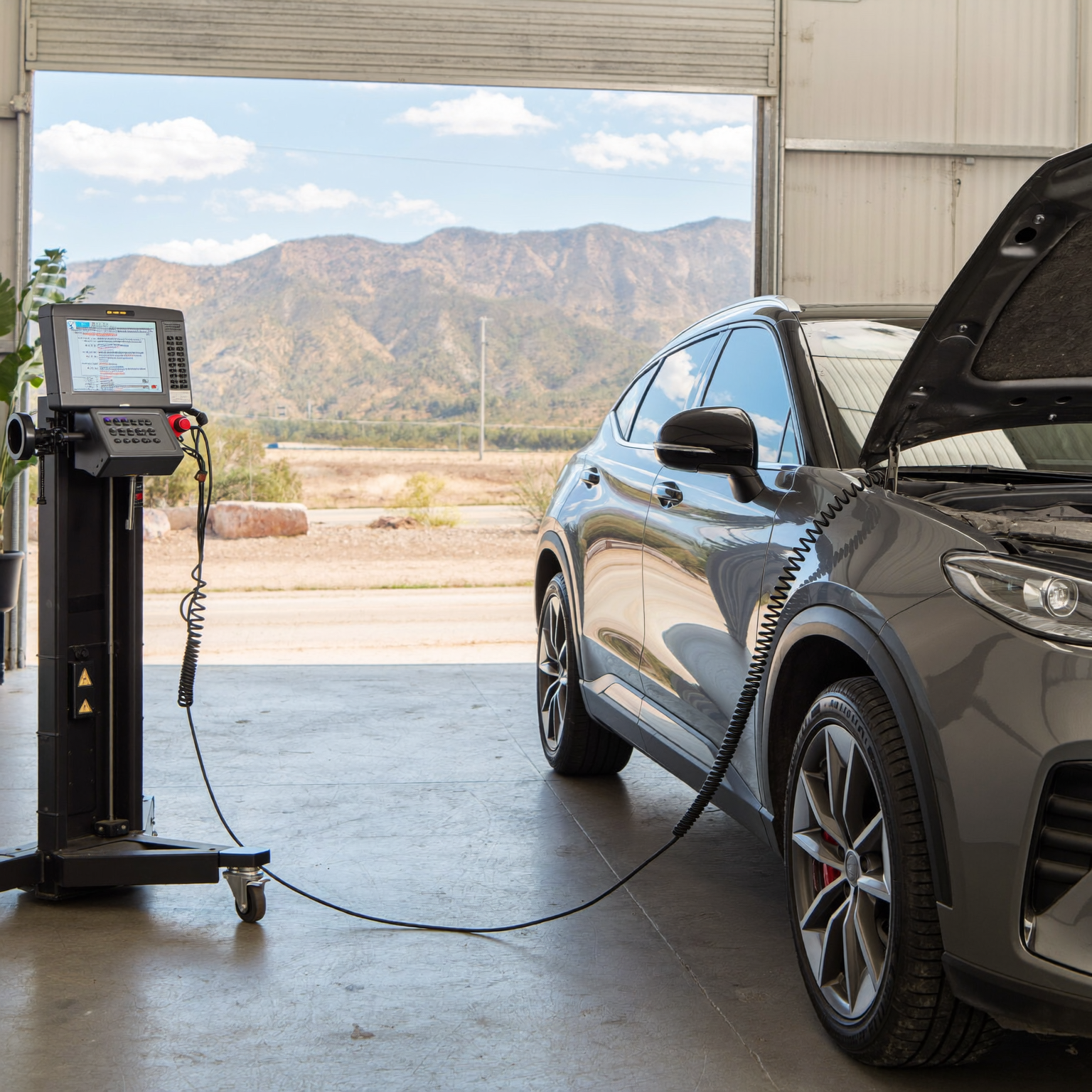
Lafayette drivers should take a hybrid to a repair shop that understands both conventional automotive systems and high-voltage propulsion. The right shop should be able to diagnose the complete vehicle, explain its findings clearly, and perform routine maintenance without treating the hybrid system as an afterthought.
Choosing a Hybrid Repair Shop Near Lafayette
A hybrid combines several systems that influence one another. The gasoline engine, electric motor or motors, high-voltage battery, power electronics, cooling circuits, brakes, and conventional low-voltage electrical system all have to work together. A warning light or drivability complaint may not point neatly to one component.
That is why choosing a shop based only on proximity can be limiting. Drivers looking for auto repair in Lafayette, CO should also ask whether the shop routinely works with hybrids and has the diagnostic equipment, service information, and safety procedures required for the vehicle.
What makes a shop qualified to service a hybrid?
A qualified hybrid shop should understand high-voltage safety, manufacturer-specific operating strategies, scan-tool data, battery cooling, regenerative braking, and the conventional systems still found on the vehicle. Technicians need to know when a problem belongs to the gasoline engine, when it belongs to the electric drive system, and when one system is reacting to a fault in another. At Legacy Automotive, we approach hybrid service as whole-vehicle service rather than isolating the hybrid components from everything around them. We also work on every make, which matters because hybrid designs and diagnostic procedures differ across manufacturers.
Does every repair require work on the high-voltage system?
No. Hybrids still need many familiar services, including fluid inspections, engine maintenance, suspension work, tire care, heating and air conditioning diagnosis, and repairs to ordinary electrical equipment. The difference is that service procedures may be affected by how the hybrid operates. The engine may run intermittently, the air conditioning may use an electrically driven compressor, and the braking system may blend regenerative and friction braking. A technician should understand those differences even when the immediate repair does not involve opening the high-voltage system.
Warning Signs That Deserve Proper Diagnosis
Hybrid vehicles often continue driving when a developing fault first appears. That does not mean the problem should be ignored. The control modules may adjust vehicle behavior to protect a component, and the driver may notice only a subtle change before a warning message appears.
A shop should begin by confirming the symptom, scanning all relevant modules, checking service information, and testing the systems implicated by the results. Reading a trouble code is only the beginning. Our article about why parts-store code scans are not complete diagnosis explains why a code should guide testing rather than automatically determine which part gets replaced.
Which hybrid warning signs should Lafayette drivers take seriously?
A hybrid system warning, check engine light, battery warning, reduced-power message, or sudden change in fuel economy deserves attention. Other signs can include unusual fan noise from the rear seating or cargo area, rough engine starts, inconsistent transitions between electric and gasoline operation, weak acceleration, a vehicle that will not enter its ready mode, or an engine that seems to run more often than usual. Some of these symptoms have several possible causes, including a weak low-voltage battery, blocked battery cooling airflow, an engine performance problem, a wiring fault, or an issue within the high-voltage system. Testing is how we separate those possibilities.
Can a weak low-voltage battery cause hybrid problems?
Yes. The conventional low-voltage battery helps power computers, relays, locks, lighting, and the process that brings the hybrid system online. If its voltage is unstable, the vehicle can display multiple warnings, store misleading communication codes, or fail to enter its ready state even when the high-voltage battery is not the underlying problem. We test the low-voltage supply and related circuits before drawing conclusions about more complex components. When the fault is within wiring, charging controls, connections, or vehicle electronics, our automotive electrical service supports the same evidence-based approach.
What Routine Hybrid Service Should Cover
Hybrid maintenance should follow the requirements for the specific year, make, model, mileage, use, and service history. A generic checklist cannot replace the manufacturer’s schedule or an inspection of the actual vehicle. Lafayette driving can involve short trips around town, regular travel on US 287, commuting toward Boulder, and weekend climbs into the foothills. Those patterns place different demands on the engine, battery cooling system, brakes, tires, and fluids.
Hybrids are also not maintenance-free simply because the electric motor shares the workload. We discuss that broader point in our guide to EV and electrified-vehicle service, but a hybrid has an additional maintenance consideration: it retains a gasoline engine and its supporting systems.
What should be inspected during routine hybrid service?
Routine service should include the items required by the manufacturer plus a condition-based inspection of the vehicle. Depending on the design, we may inspect engine oil and other fluids, filters, tires, steering and suspension, friction brakes, cooling-system components, the low-voltage battery, visible wiring, and battery cooling inlets. We also look for leaks, damage, stored faults, and signs that previous work may have disturbed hybrid-specific components. The purpose is not to recommend every possible service. It is to identify what the vehicle currently needs, what can be monitored, and what is functioning normally.
Do hybrid brakes need less attention because of regeneration?
Regenerative braking can reduce how often the friction brakes perform all of the stopping work, but it does not eliminate brake inspection or service. Brake pads, rotors, calipers, brake fluid, sensors, and hydraulic components remain important. In some driving patterns, reduced friction-brake use can allow corrosion or restricted movement to develop without producing the familiar wear symptoms drivers expect. Hybrid brake systems may also involve electronically controlled blending between regeneration and hydraulic braking, so unusual pedal feel, noises, pulling, warning lights, or changes in stopping behavior should be evaluated by a technician familiar with that arrangement.
Colorado Conditions and Hybrid Operation
Colorado’s Front Range creates operating conditions that can expose weaknesses without automatically indicating a failed hybrid battery. Temperature swings affect every vehicle battery, while elevation changes and sustained climbs alter engine load and cooling demand. Descents can produce extended regenerative charging, after which the vehicle may rely more heavily on the friction brakes or engine braking because battery charging is limited.
Our discussion of winter operation and electrified-vehicle range focuses on EVs, but several principles also apply to hybrids. Battery temperature, cabin heating, cold fluids, tire pressure, and accessory use can change how an electrified vehicle behaves. Those normal seasonal changes must be distinguished from repeatable faults or abrupt changes in performance.
Is reduced electric operation in cold weather always a fault?
No. A hybrid may run its gasoline engine more often in cold conditions to warm the engine, heat the cabin, manage emissions, or bring the battery into a preferred operating range. Short trips can make this behavior especially noticeable because the vehicle may not remain fully warmed for long. We become more concerned when the change is sudden, persists in mild weather, comes with warning lights, or is accompanied by poor drivability, unusual noise, overheating, or charging-state behavior that differs sharply from the vehicle’s normal pattern.
Planning Service From Lafayette
Legacy Automotive is located at 1900 55th Street in Boulder. We have served Front Range drivers since February 19, 2013, and we are NAPA Gold Certified. Our work includes hybrid and EV service, Subaru repair, general repair for every make, and 4x4 outfitting.
The trip from Lafayette is straightforward for many drivers traveling west toward Boulder. Customers near Old Town Lafayette or Waneka Lake can plan around their normal route rather than relying on a shop that handles only the gasoline side of the vehicle. Our Boulder location also serves drivers seeking auto repair in East Boulder, close to the 55th Street corridor.
What information should you provide when scheduling hybrid service?
Tell us the year, make, model, current warning messages, and the conditions in which the symptom occurs. Useful details include whether the vehicle was cold or warmed up, whether it was climbing or descending, whether the cabin heat or air conditioning was operating, whether the problem disappears after a restart, and whether another shop recently replaced a battery or disconnected electrical components. Photos of dashboard messages can also preserve information that disappears later. Clear observations help us reproduce the concern, but you do not need to diagnose the cause before bringing the vehicle in.
Should you keep driving with a hybrid warning light?
That depends on the warning, vehicle behavior, and manufacturer guidance. A steady check engine light with normal operation presents a different situation from a red warning, overheating message, flashing check engine light, loss of power, burning smell, fluid leak, or vehicle that cannot reliably enter its ready mode. If the vehicle is behaving abnormally or displays a stop-driving instruction, pull over safely and arrange assistance. If you are unsure, contact a qualified shop and describe exactly what the display says rather than assuming the vehicle is safe because it still moves.
A Practical Standard for Hybrid Repair
The best hybrid repair decision is based on capability, not labels. A shop should be prepared to inspect the entire vehicle, access the correct technical information, test before recommending parts, follow high-voltage safety procedures, and explain whether a concern is urgent, routine, or safe to monitor.
For Lafayette drivers, that standard can be more useful than searching only for the nearest oil change or general repair counter. A hybrid is still a car, but its systems interact in ways that require specific knowledge. We service those systems together so the repair addresses the cause of the complaint rather than only the most visible warning.
Book the shop Boulder trusts.
Free loaner vehicles for qualifying repairs. Three-year, 36,000-mile NAPA warranty on every covered job.